Raosson - Protecting What Matters

Consultancy / technical services

Business Continuity Assessment

Understand critical activities and dependencies before defining continuity arrangements.

Discuss your requirements
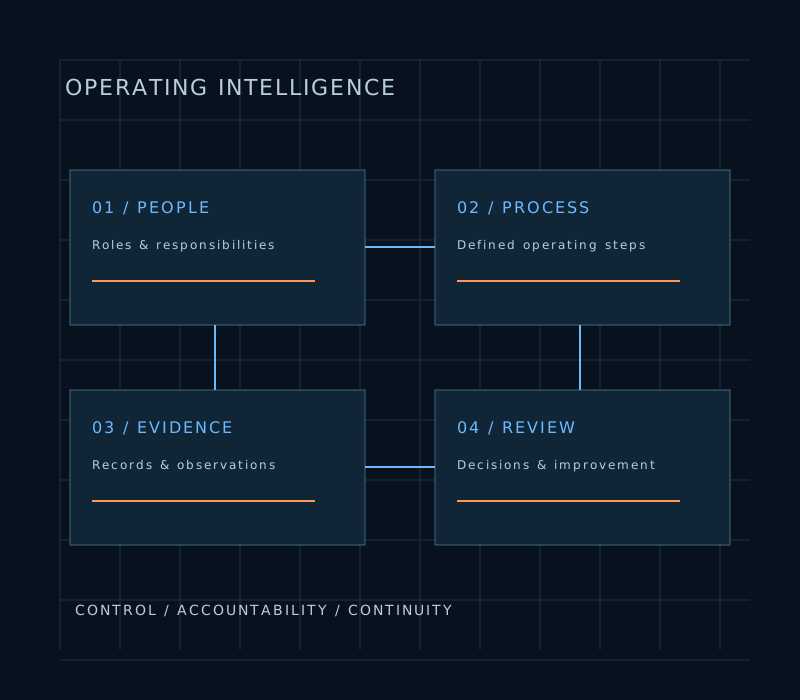
Conceptual operations systems illustration; not a client installation.
Raosson / operationsConceptual system study

Protect the activities that matter most

Business continuity planning starts by identifying critical services and the people, premises, systems, utilities, suppliers and records on which they depend. A disruption may leave the building standing but still prevent an organization from serving customers or patients. Raosson helps management map those dependencies and discuss acceptable interruption periods before choosing recovery strategies.

A business impact discussion should distinguish essential functions from activities that can wait. Recovery time and recovery point objectives, where relevant, must be agreed by the business and technology owners; a consultant should not invent them. The assessment also considers alternative workplaces, communication responsibilities, supplier arrangements and the practical constraints of staffing during a prolonged event.

Exercise the plan and verify assumptions

The proposed outputs can include a critical-function inventory, disruption scenario register, continuity roles, escalation pathways, recovery strategy options and an exercise schedule. A tabletop exercise can reveal missing contact details, unrealistic dependencies or conflicts between departments before an actual incident.

Continuity plans are living management instruments. Review should follow significant organizational changes, incidents and exercises. Raosson offers scoped continuity assessment and documentation support in Lahore without promising uninterrupted operations or guaranteed recovery.

Purpose & scope

Clarity before action.

Understand critical activities and dependencies before defining continuity arrangements.

Practical outputs

Evidence you can use.

  1. Scope-specific assessment report
  2. Evidence-linked findings and prioritized gap matrix
  3. Corrective action register with assigned responsibilities
  4. Follow-up verification criteria

Engagement process

From scope to
documented action.

Criteria & suitable sectors

Client-approved risk methodology and applicable local requirements; this is an assessment, not certification.

Healthcare institutions · Industrial facilities · Commercial organizations · Educational institutions · Corporate establishments

References describe assessment criteria, not company accreditations or certification authority.

Connected services

Define the scope.
Make the next decision.

Prepare your inquiry