
Raosson - Protecting What Matters

Consultancy / technical services

Hazard Vulnerability Analysis

Prioritize emergency scenarios using a facilitated review of exposure and readiness.

Discuss your requirements
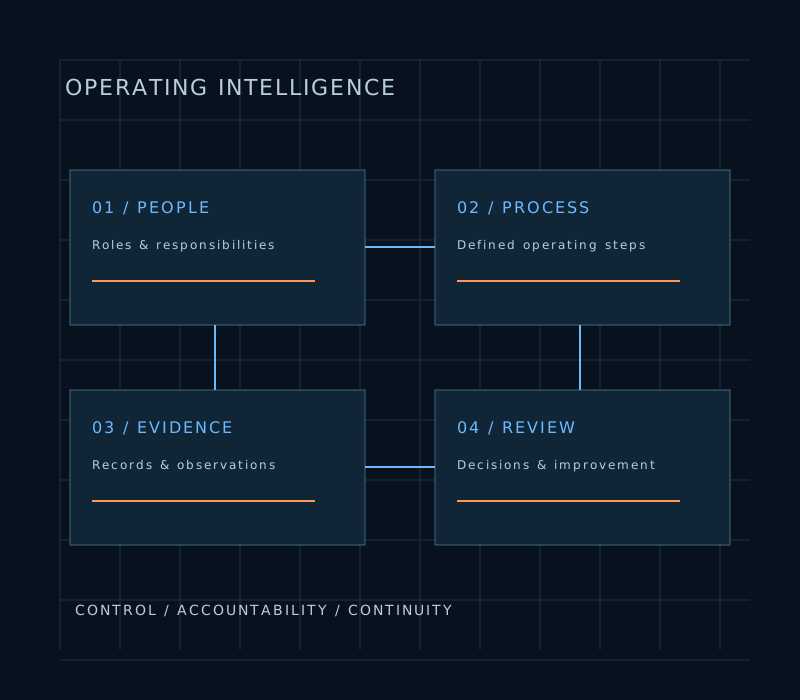
Conceptual operations systems illustration; not a client installation.
Raosson / operationsConceptual system study

Identify the scenarios that can disrupt essential operations

A hazard vulnerability analysis (HVA) gives leadership a structured way to compare emergency scenarios before deciding where to invest in prevention and readiness. Flooding, severe weather, fire, utility failure, civil disturbance, infectious disease events and supply interruption may have very different implications for a hospital, factory or commercial site. The assessment should use local exposure and the organization’s actual dependencies rather than a generic national hazard ranking.

Raosson facilitates a multidisciplinary review involving relevant operations, engineering, security, safety, clinical or administrative representatives. Participants agree on scenario definitions and a scoring method, then examine likelihood, potential impact and existing preparedness. The result is a decision-support tool, not a prediction of when an incident will occur.

Convert risk rankings into preparedness priorities

A useful HVA identifies high-priority scenarios, current safeguards, response gaps and the departments accountable for improvement. The outputs can inform emergency plans, resource arrangements, training priorities, tabletop exercises and business continuity planning. Findings should be revisited after material changes to the site, its services or surrounding conditions.

For Lahore facilities, the engagement can be tailored to the building portfolio, critical activities and management objectives. The client approves the evaluation criteria and retains ownership of risk acceptance and corrective actions.

Purpose & scope

Clarity before action.

Prioritize emergency scenarios using a facilitated review of exposure and readiness.

Practical outputs

Evidence you can use.

  1. Scope-specific assessment report
  2. Evidence-linked findings and prioritized gap matrix
  3. Corrective action register with assigned responsibilities
  4. Follow-up verification criteria

Engagement process

From scope to
documented action.

Criteria & suitable sectors

Client-approved risk methodology and applicable local requirements; this is an assessment, not certification.

Healthcare institutions · Industrial facilities · Commercial organizations · Educational institutions · Corporate establishments

References describe assessment criteria, not company accreditations or certification authority.

Connected services

Define the scope.
Make the next decision.

Prepare your inquiry